

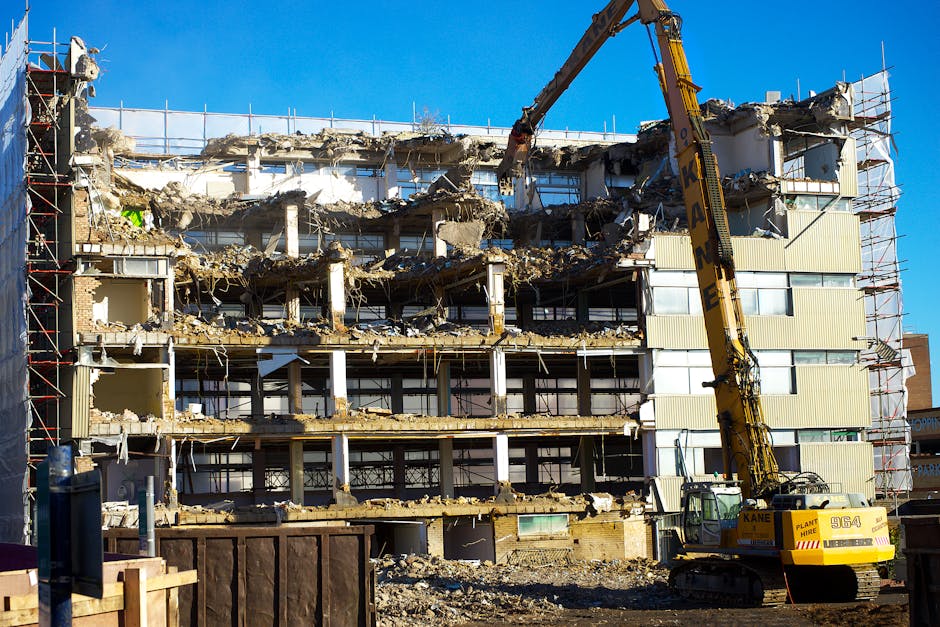
There’s a common assumption that asbestos is a problem of the past. Something that belonged to older buildings, outdated practices, and a different era of construction.
The reality is quite different.
Across Australia, asbestos is still being uncovered on a regular basis, particularly during renovations, demolitions, and excavation works as highlighted in a recent article from Build Australia.
What’s becoming increasingly clear is that asbestos hasn’t disappeared. It’s simply been sitting undisturbed, often hidden in plain sight, waiting for the moment a project begins.
Why Asbestos Keeps Reappearing
Most asbestos-related risks today are not from new materials, but from existing structures and sites being disturbed.
Activities that commonly uncover asbestos include:
- Home renovations (especially kitchens, bathrooms, and ceilings)
- Demolition and strip-out works
- Excavation and civil construction
- Redevelopment of older commercial or industrial sites
- Infrastructure upgrades
In many cases, the asbestos has been there for decades without issue. It’s only when materials are cut, broken, drilled, or removed that the risk becomes real.
Where It’s Most Commonly Found
The likelihood of encountering asbestos is strongly linked to the age and history of a building or site.
Residential Properties
Homes built before 1990 are a key risk area. Asbestos can still be found in:
- Walls and ceilings
- Roofing and eaves
- Flooring and adhesives
- Fencing and external structures
- Wet areas like bathrooms and laundries
This is particularly relevant for homeowners or contractors undertaking renovations without fully understanding what’s behind the surfaces they’re working on.
Commercial and Industrial Sites
Older commercial buildings often present even greater risks due to the scale and variety of materials used.
Common locations include:
- Roofing and wall cladding
- Internal linings and partitions
- Flooring systems
- Service ducts and plant areas
On these sites, once asbestos is identified, it can quickly expand into a larger issue affecting timelines, budgets, and compliance.
The “Hidden in Plain Sight” Problem
One of the biggest challenges with asbestos is that it often isn’t obvious.
It can be:
- Mixed into everyday construction materials
- Covered by newer renovations
- Buried beneath soil or fill from previous site use
This creates a false sense of security. Many assume that if a building looks modern or has been updated, the risk is gone.
In reality, asbestos is often only discovered once work has already started.
Why This Matters for Any Project
For anyone involved in construction, renovation, or property development, the key takeaway is simple:
Asbestos should be treated as a baseline risk on older sites until proven otherwise.
Failing to do so can lead to:
- Unexpected project delays
- Significant cost increases
- Health risks for workers and occupants
- Legal and compliance issues
What starts as a straightforward job can quickly become complicated if asbestos is discovered late in the process.
The Role of Proper Testing and Air Monitoring
This is where a proactive approach makes all the difference.
Before and during any work that could disturb building materials or ground conditions, it’s critical to have:
- Professional asbestos identification and assessment
- Air monitoring to detect airborne fibres during works
- Clear compliance with safety regulations and standards
Air monitoring, in particular, provides real-time reassurance that the environment remains safe for workers and the surrounding area. It also ensures that any issues are identified early and managed correctly.
Final Thoughts
Asbestos isn’t just a legacy issue. It’s an active consideration in today’s construction environment.
The more we understand where it exists and how it’s uncovered, the better prepared we can be to manage it safely and responsibly.
If you’re planning any work on an older property or site, taking the time to assess and monitor for asbestos isn’t just a precaution. It’s an essential step in protecting your project, your people, and your peace of mind.